The 1990s marked a turning point for how music was made and heard. CDs reached their peak in the mid-1990s, accounting for over 90% of recorded music sales, offering a level of clarity and dynamic range vinyl and cassette never could. For the first time, the format itself wasn’t holding music back. The only question left was whether the equipment playing it back could live up to it.
Bowers & Wilkins had already been asking that question for years. Before John Bowers died in 1987, he set his team one final, impossible brief: design a loudspeaker with zero cabinet coloration. Sound with nothing standing between the listener and the music.
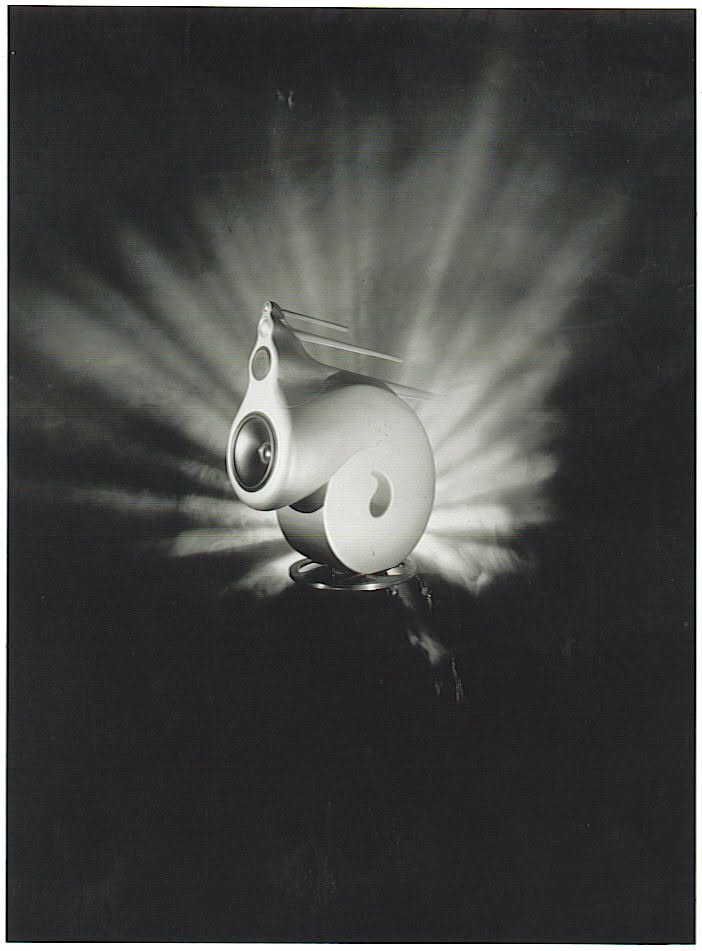
Engineer Laurence Dickie picked up the challenge. Given five years and total creative freedom, he abandoned the box entirely, designing exponentially tapered tubes that absorbed unwanted resonance at the source. The result launched in 1993: Nautilus. A speaker shaped like a shell, built like a sculpture, engineered like nothing before it.
Some of that thinking soon found its way into a more practical range, the Nautilus 800 Series, bringing the work undertaken at B & W’s Steyning research facility to a wider audience.
Nautilus remains hand-built in Worthing to this day. Proof that some ideas don’t age. They just keep getting heard.