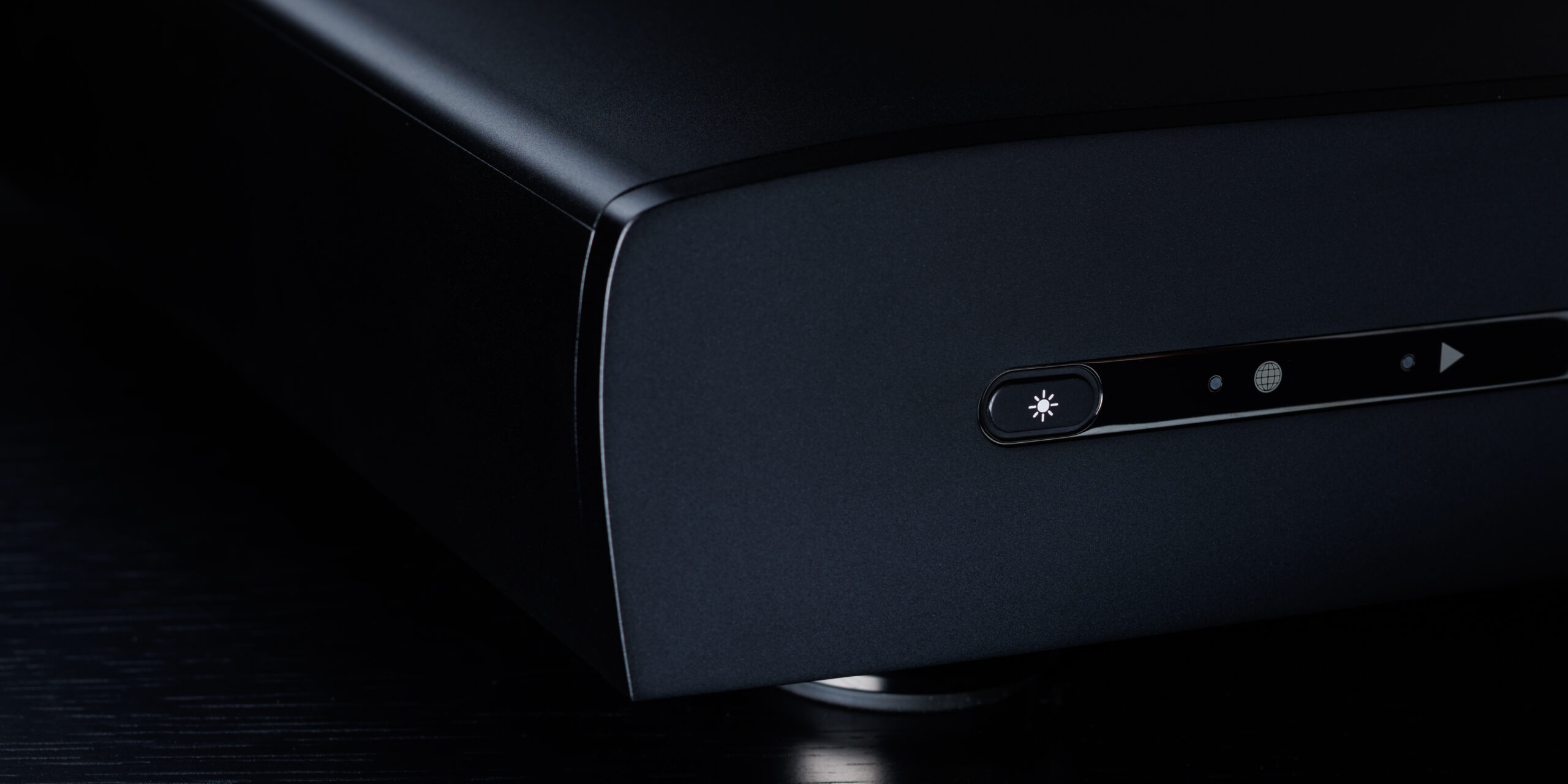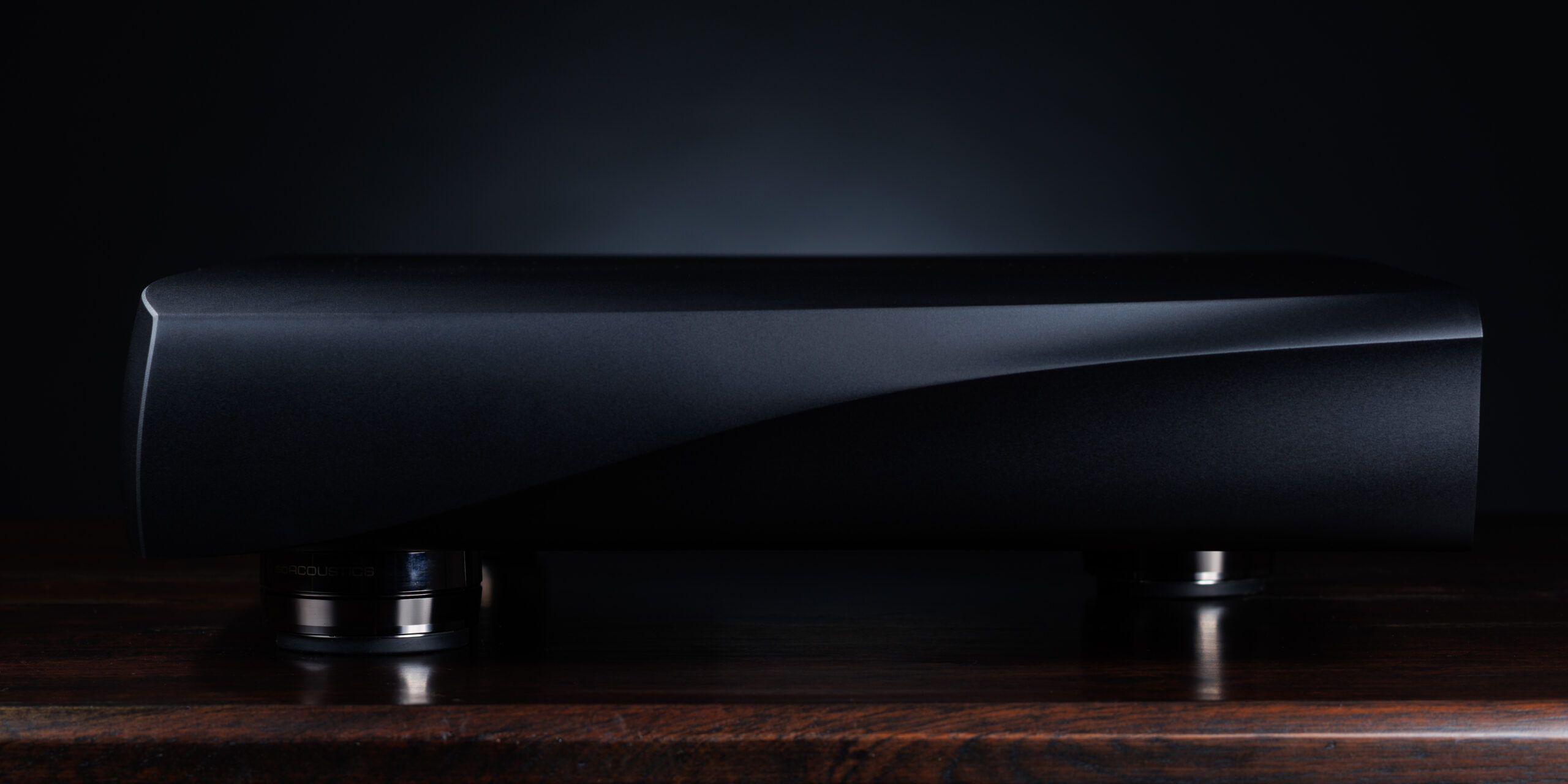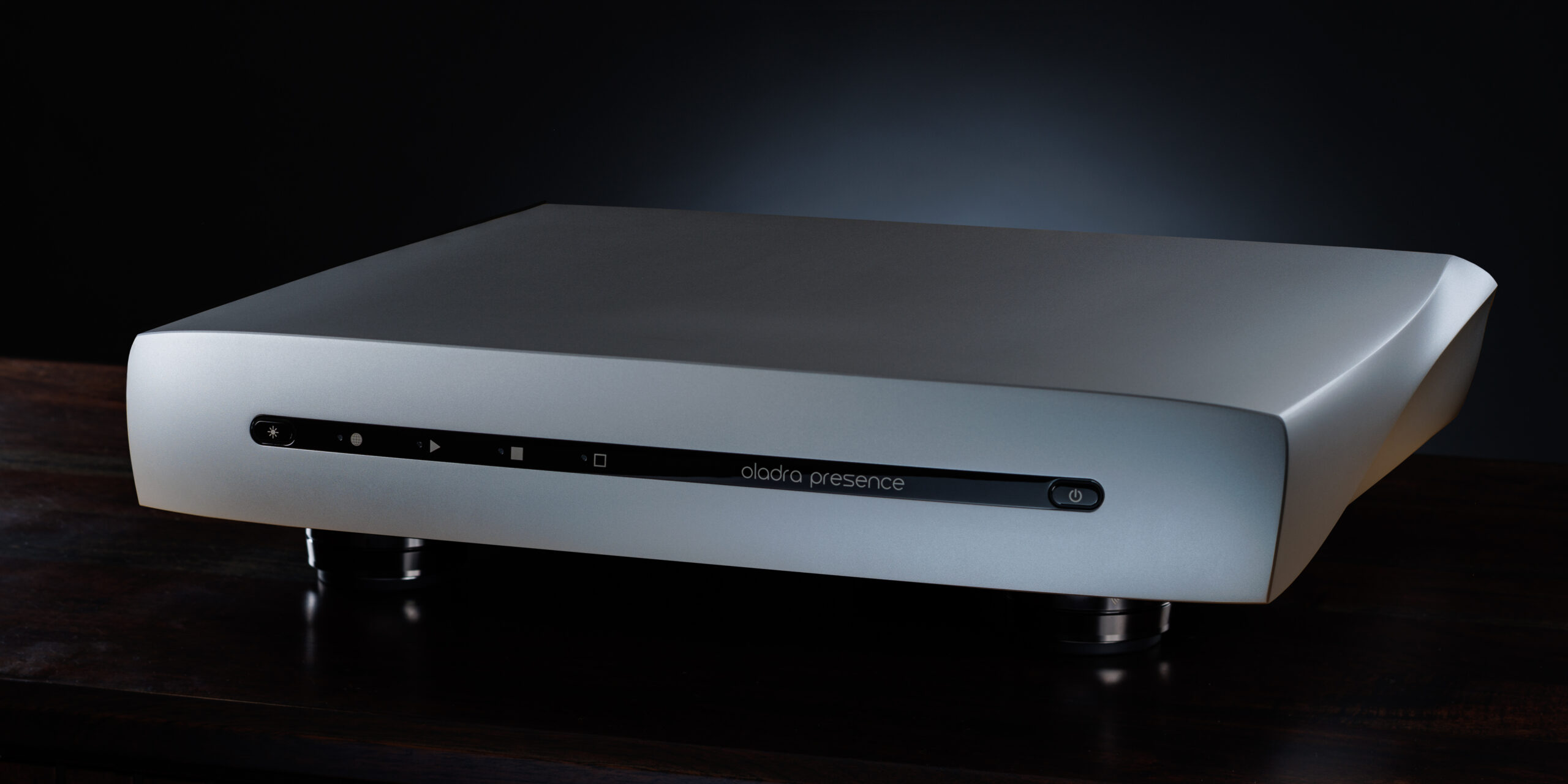
Antipodes Audio has completed the Oladra Platform and established Oladra as a distinct brand for digital audio sources built on that foundation.
The Oladra Platform emerged from more than a decade of listening-led development focused on how digital systems shape musical experience. Over time, this work exposed the limits of adapting general-purpose computing architectures for audio.
Digital playback requires substantial computing capability at the source, yet conventional architectures introduce electrical noise and system behaviour that persist in the signal they generate.
The response was to design the digital audio source from first principles, centred on a purpose-built audio computer within a total system design. Hardware, firmware, and a dedicated software stack were developed together as a single architecture, allowing coherence to be established structurally from the outset and sustained.
As this work reached maturity, its findings could no longer be contained within an evolving product line. Oladra has been created to allow it to stand on its own terms, with its first expression taking form in two models: Sentia and Presence.
Sentia presents a complete realisation of the Platform, demonstrating what becomes possible when the source is treated as a system in its own right.
Presence extends this further, with every decision made in service of musical realism, allowing greater physicality to emerge from the same foundation.
Antipodes Audio remains the originating company and continues to develop its Kala range of digital audio sources, with new models and upgrades planned for existing owners. Oladra is not a change in direction, but a formalisation of an approach that had already separated itself in practice.
“Oladra reflects a point of clarity in the work,” said Mark Jenkins, Founder of Antipodes Audio. “It allowed us to give proper form to an approach that had been guiding our decisions for some time.”
Oladra will make its public debut at AXPONA 2026 in Chicago, Illinois, in partnership with Rutherford Audio (Room 1 – Schaumburg C).
Backgrounder
Why Antipodes Audio Created Oladra as a Distinct Brand
Antipodes Audio has spent more than a decade focused on a single point within digital playback: the first step – where the file or stream becomes a timed signal.
This focus emerged through listening. Systems that met the same specifications could produce markedly different musical experiences. That difference was not fully explained by output alone.
Over time, a deeper understanding was developed. Behaviour at the source shaped the structure of the signal before it reached the DAC. Once established, that structure could be refined, but not reset.
This has direct consequences for how music is perceived. When timing relationships hold, the elements of a performance remain coherent and resolve as a whole. When these relationships are disturbed, that coherence breaks down, and the sense of the performance diminishes.
Progress within existing architectures brought improvement, but also exposed a limit. Systems adapted from general-purpose computing could not fully govern how the signal took form. Variability remained, and with it, a loss of predictability in how music would be conveyed.
The work moved toward a different approach, centred on creating the right conditions at the very beginning.
This required a system designed specifically for digital audio, where behaviour could be defined and maintained, rather than managed after the fact.
Oladra is the expression of that shift. It brings the formation of the signal into a controlled and predictable state, so that what leaves the source retains its structure. When this is achieved, everything that follows operates on a stable foundation, and its contribution becomes additive rather than corrective.
Antipodes Audio remains the originating company and continues to develop its Kala range. Oladra carries this work forward as a dedicated platform for digital audio sources, representing the point at which the approach could be realised in full.
Technical Explainer
The Oladra Platform
Behaviour at the source determines how recorded music is experienced.
Digital audio playback is often assessed at the point of output, yet the signal has already been established long before it reaches a DAC. The conditions under which that signal is formed — including timing, electrical stability, and system activity — carry forward through the playback chain.
In most systems, the source is built on architectures designed for general-purpose computing. These systems are intended to manage multiple processes and respond dynamically to changing demands.
This introduces variation in system behaviour. Processing activity, power demand, and data movement fluctuate as the system operates, generating electrical noise and timing instability.
In digital audio, these effects are not isolated. Activity in one part of the system influences others through power, ground, and signal pathways. That behaviour becomes embedded in the signal as it is produced.
Once present, these conditions cannot be fully removed downstream. Processes such as reclocking, isolation, and conversion operate on a signal that has already been formed. They can refine its presentation, but they do not reset the conditions under which it was created.
This defines the constraint. If behaviour is not controlled where the signal is formed, its effects persist throughout the playback chain.
The Oladra Platform is designed in response to this.
The digital audio source is conceived as a complete system rather than an adaptation of general-purpose computing. Each part of the system is designed specifically for its role in audio playback, removing the need to accommodate competing processes or variable demands.
Computation, memory, power, and software are structured together within a single architecture so that system behaviour remains stable and predictable as the signal is formed, allowing coherence to be established structurally from the outset and sustained.
The result is a signal that leaves the source with its integrity intact. Downstream components are no longer required to compensate for upstream behaviour, allowing their contribution to remain additive rather than corrective.