
What is your view on the current state of the high-end audio industry?
To move forward from a niche hobbyist cult and establish high-end audio as a luxury category, we need to be dedicated to merging technology and art into transcendent music listening experiences and not be so focused on making the next exciting product that we hope will please our favorite reviewers with the hope that these reviews will prompt customers to buy our products. I don’t think that we can continue to depend on the press and reviews to define who we are.

It’s a sad statement, but I would rather listen to a good table radio which has limited, but balanced tonal qualities, all day long than to listen for five minutes to some of today’s audiophile-assembled, so-called high-end audio systems. I believe the high-end of our little industry over the past 2-3 decades has been driven mostly by hobbyists who are looking for the next product with features or technology that the review press promises will deliver more performance rather than being focused on the result — a believable music listening experience.
Audiophiles have existed since the dawn of recorded sound, but the pursuit of audio perfection started out with an emphasis on bringing a more realistic music listening experience into the home with the idea that technology was just a vehicle for that enjoyment. In the 50s and 60s, just about everybody wanted to have a great sounding, musically satisfying hi fi in their homes, and most of the systems of that time delivered lush and engaging sound that could comfortably reside in a typical living room. The explosion of new technology, including digital recording, disrupted our attention from our basic need for music to massage, comfort, and inspire us on a cellular level.
Home theater with its multichannel audio platform came on the scene shortly after the great digital disruption. What some didn’t take into consideration was that budgets can be a real restraint, and that most folks who were more interested in reproducing movies in their home than in dedicated music listening, would spread their available dollars on more channels of lesser quality components. There were and are, of course, enough exceptions to this trend to make multi-media home entertainment a worthwhile pursuit for high-end audio manufacturers. There are some customers who can buy mega multi-media home entertainment rigs, and there are more than a few customers who want well-reproduced music and films in their home entertainment systems. Home entertainment helped bridge the flow of business when high-end audio companies were trying to define themselves during a period of digital and technological disruption. Reproducing film with an eye on picture and sound quality is still an important part of the high-end audio business, but most high-end audio manufacturers believe now that our real path forward needs to be rooted in reproducing music in peoples’ homes on a whole new level and, as demand dictates, movie soundtracks.

What seems to motivate the hobbyists in our industry is not only what’s new and different according to the press, but audiophilia as a pursuit unto itself also satisfies a highly individualistic desire to create a type of sound that the creator happens to like at the time without any real point of reference. I am not condemning audiophilia. People should be free to do whatever they want with their free time and discretionary money, but there are far more high-end audio manufacturers looking for their share of the business than this small audience can sustain. There are millions more people out there who love music and would be thrilled to have it reproduced more compellingly in their homes if they knew such a possibility existed.
High-end audio manufacturers are largely responsible for creating this silo. Many of them got started in the business because hi fi was a hobby, and some have not grown sufficiently beyond that perspective to reach the growth potential of the high-end audio industry. To transition to a more sustainable model, high-end audio manufacturers need to tell their stories in ways that effectively reach the broader audience of music lovers (men and women) in addition to keeping the small customer base of mostly men audiophile hobbyists engaged. To accomplish this, more manufacturers need to invest the time, effort, talent, and money to tell their stories about how music has defined their company and products and how technology serves this purpose.
Rather than being led by the vagaries of the audio press, more manufacturers need to be more willing to set the parameters of their narratives with the press and with all other avenues of customer outreach such as audio shows. Audio shows, at least the way they are currently conducted in the United States, consist of an uneasy amalgam of dealers and manufacturers, all of whom are free to sell merchandise at a discount off the show floor. This shopping bazaar approach dilutes the efforts of the best audio dealers and manufacturers who believe the most compelling audio performance happens with carefully curated systems that have been designed to suit each customer’s objectives, budget, and listening environment.
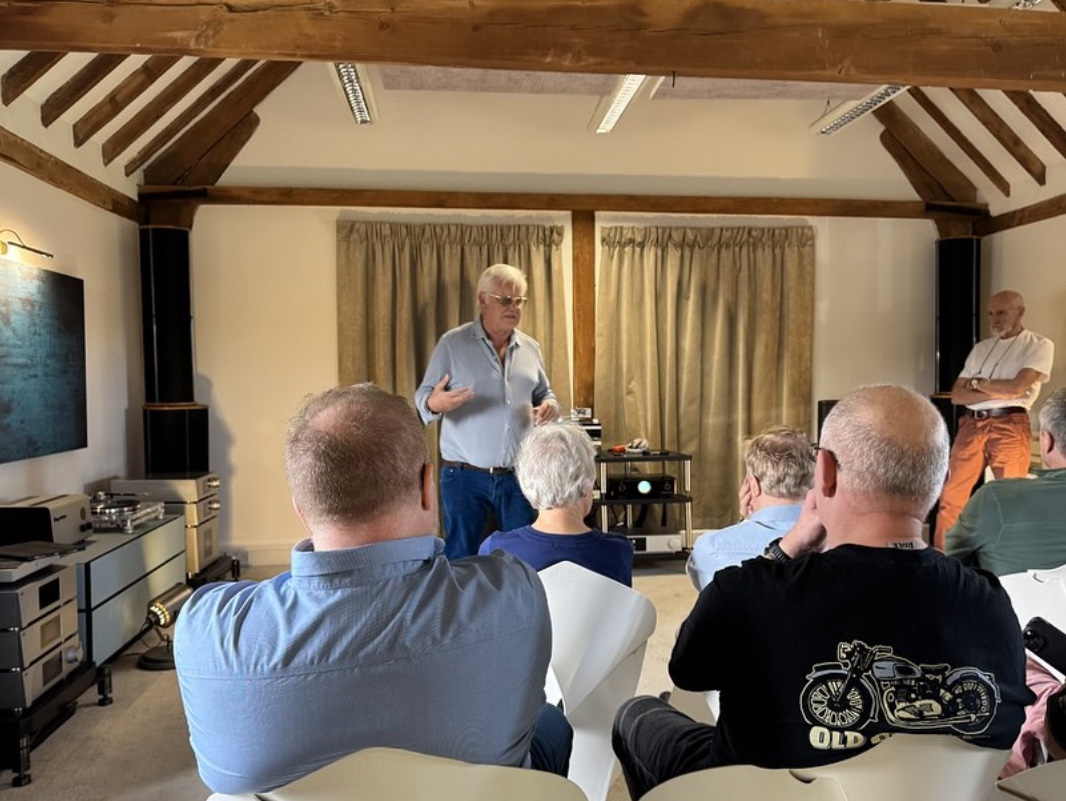
Expert and reliable dealers and distributors who curate systems and room set-ups that really deliver are essential to the future of the high-end audio industry. Music lovers who want to put together a better home music system just don’t know what they are missing until they experience a whole new level of musical engagement. Today’s high-end audio manufacturers who have managed to survive the headwinds all start-up companies face, have put a great deal of time and investment in building a network of strong dealer and distributor partners who can effectively demonstrate the value of a well-designed home music system and provide all the necessary support and services for their customers’ present and future entertainment needs. Our industry, which includes the press, manufacturers, dealers, and distributors, needs to be more proactive about sending a clear message to consumers that in addition to performance, expertise, reliability, and service have real value and that strong and trusted retail partners and distributors are the best way to access these benefits.
Assembling a crazy-quilt of reviewer-recommended components purchased at the best price from an assortment of “shop owners” from afar most often leads to disappointment. It is a source of customer attrition within a base that is already too small. With this approach, achieving a specific kind of sound that appeals to a user at a given point in time becomes an end unto itself — a constantly moving goal post with no clear path forward and no end point. An underlying assumption with this model is that buying the most expensive products one can justify at the best price results in better sound. The assumption inevitably collapses, however, when customers either lose interest because they are unable to achieve a satisfying level of “you are there” listening engagement, they have successive equipment failures, or they have tapped out their resources pursuing the equipment hobby. We need to be thinking about reviving or replacing all the disaffected customers our industry has already left behind, and we need to make our category more accessible to people who just want a great home music system.

The review press can be a very valuable part of our industry’s future. We all get excited by what’s new and different, and the audio press plays a critical role in helping us stay informed about innovation. Innovation doesn’t necessarily present itself in the form of a finished product that is ready for consumption, however, and the press needs to make more of a distinction between these 2 realities. By relying too much on the press to do their marketing, more than a few manufacturers have unwittingly anointed the review press with an aura of expertise that many reviewers don’t really deserve. More than a few of the reviewers that manufacturers rely upon do not have a real reference system, do not have a controlled listening environment, and do not have much, if any, experience listening to live acoustic music performed in acoustically rich venues. By my measure, these reviewers are not qualified to weigh in on whether an established, thoughtfully designed audio product is better or not than other products. They can only effectively write about how they think a specific component performs within the context of the assemblage of components they happen to like at the time in their uncontrolled listening environment with their chosen assortment of recorded material, not how a product will perform in a customer’s system. This all makes interesting reading, but it does not even begin to get at the heart of what it takes to recreate a believable music performance in one’s home.
Because reviewers must fill their pages with new reviews every month, the race for the new and different takes precedence over considering whether a very costly product is a good investment for the customer. If a pricey product can’t be resold at a high value because its distribution is about to collapse, or the product is unreliable, it is a poor investment. If the company supplying the product is running on fumes and can’t offer gold-star service and customer support, it is not a good value. If the press could delve a bit deeper and take the time to relay more information about the company who supplies the products, their commitment to service, their distribution model, product availability, and reliability, perhaps customers could rely more upon their advice.
The high-end audio industry is in a critical, transition period. Fortunately, more high-end audio companies are stepping up their efforts to make their stories more appealing and accessible to a broader range of customers through beautiful, professionally produced websites, YouTube videos, and luxurious printed material. They are working closely with expert dealers to reach out to their communities to invite music and hi fi lovers to customer events where they can meet designers and manufacturers and hear their stories. High-end audio manufacturers are also becoming more focused on designing and manufacturing beautiful, reliable products over a broader range of performance levels and price points that also truly honor music and appeal to a wider customer base.
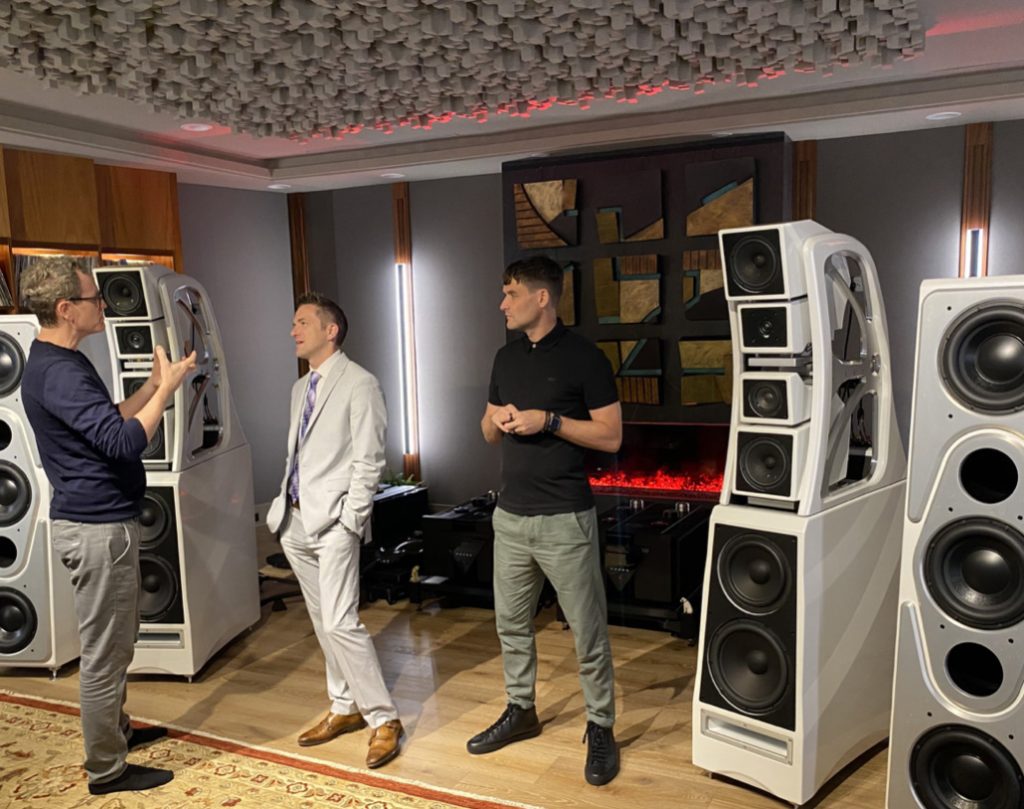
I think the future of high-end audio is very bright, and we have just begun to do what it takes to become a recognized luxury category. Those who have put in the time, effort, investment, and expertise toward those ends are seeing more new customers join the ranks of the long-term customers who have believed in them and their products from the beginning.
The fact that we can now assemble home music systems that deliver a level of musical realism in high fidelity performance than was previously only imagined as being possible bodes well for our future. Achieving this level of performance didn’t happen overnight or because of any single remarkable product. It happened because some manufacturers, dealers, and distributors recognized decades ago that we are not just makers of things, but we are partners in the music entertainment business together. We all share the passion and expertise to bring more music, more compellingly to more people. Many of us have devoted our working lives and a large portion of our personal lives to that pursuit, and it’s time for us to look toward the future. To that end, there is a growing new generation of smart, sensitive, and ambitious leaders who share our values to develop and mold our legacies to meet the challenges of whatever the future may bring.
Thank you, Matej, for giving me the opportunity to tell Transparent’s story and to talk about what I think is important for our industry to grow. You are a notable exception to the sea of online “experts” who talk about the latest and greatest. Unlike most of them, you have a reference system and a dedicated, acoustically treated listening room. You also have the experience with luxury brands and a lifelong commitment to music that few others possess. Your inciteful, beautifully written reviews celebrate our little industry’s accomplishments.