I still clearly remember the late dinner years ago after a long day at one of the first AVS shows in Poland. Marek Dyba and I discussed many topics, including analog front ends, and he shared his impactful experience with the then newly inaugurated Polish high-end audio brand J.Sikora.
Dyba predicted exactly what would happen years later, spot-on, recognizing the quality, determination, and, most importantly, the outstanding vinyl playback ability coming from the manufacturer.
Not many years later, all of that and more came to fruition. J.Sikora became one of the most recognized, cherished, and well-known Polish high-end audio brands. They are present at every major audio show and have expanded their distribution worldwide, with their products finding their way into an impressive number of audiophiles’, music lovers’, and analog aficionados’ homes.
ASPIRE
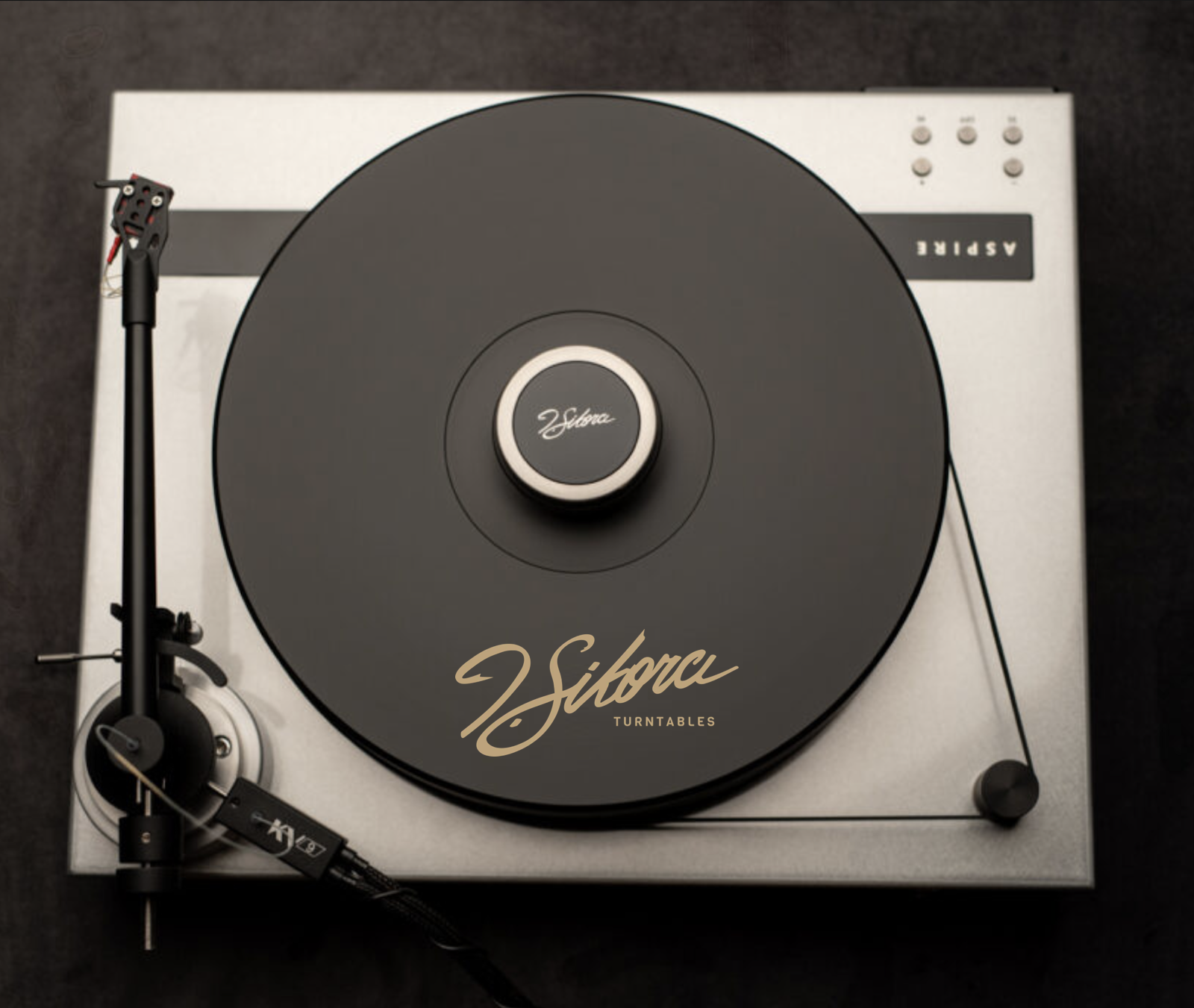
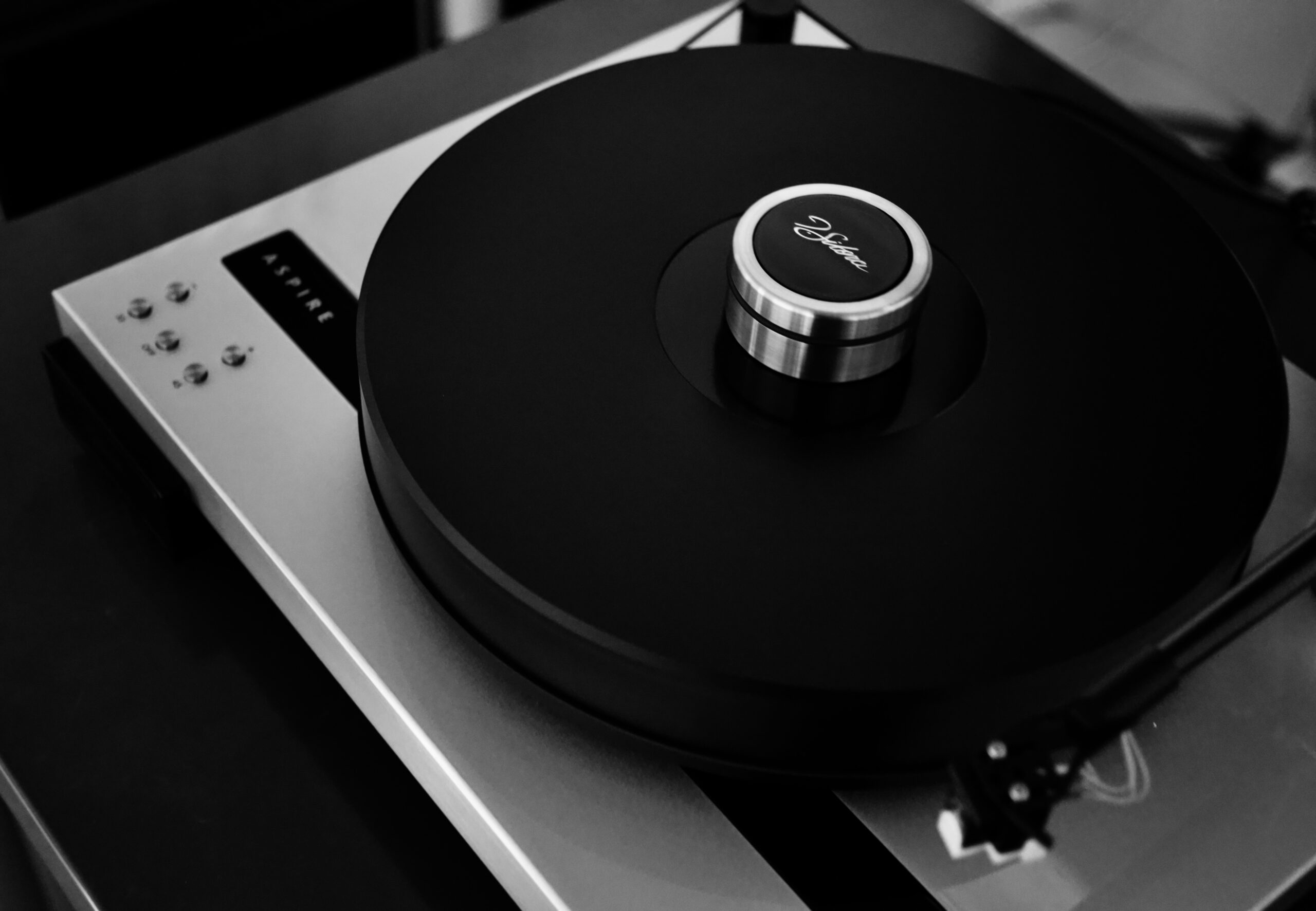
The ASPIRE turntable is the new entry point in the J.Sikora turntable portfolio. Its construction follows J.Sikora’s design philosophies and incorporates key technologies from higher-end models.
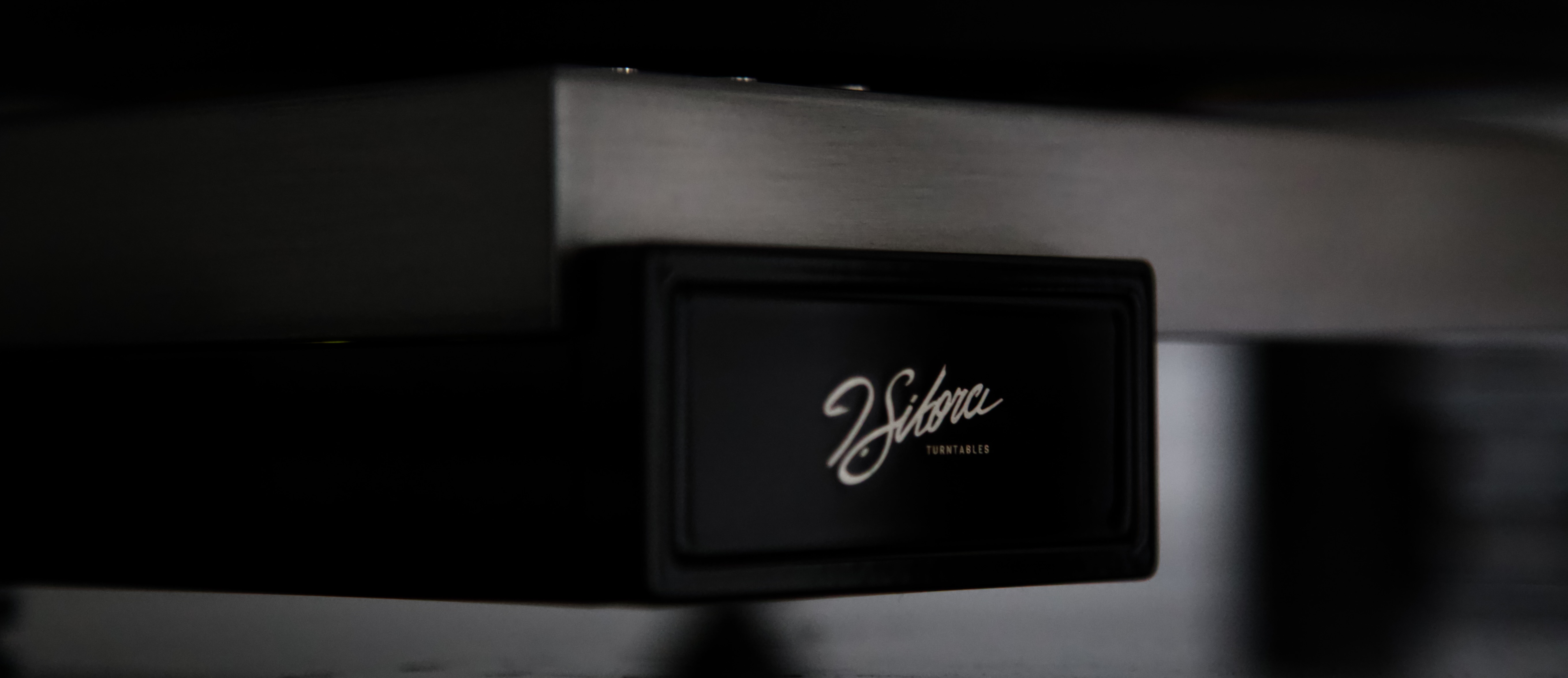
The ASPIRE provides exceptional speed stability, isolation from external resonances, and maintains the direction and sonic quality that have made J.Sikora turntables renowned worldwide.
THE MUSIC
Below are some reference albums that showcase many of the positive attributes of the J.Sikora entry-level turntable.
As with other J.Sikora analog products, the Aspire also sets aside the superfluous, avoids musical conflict, and never relies on excess to create an impression. There were several moments when the Aspire left me in suspense and awe.
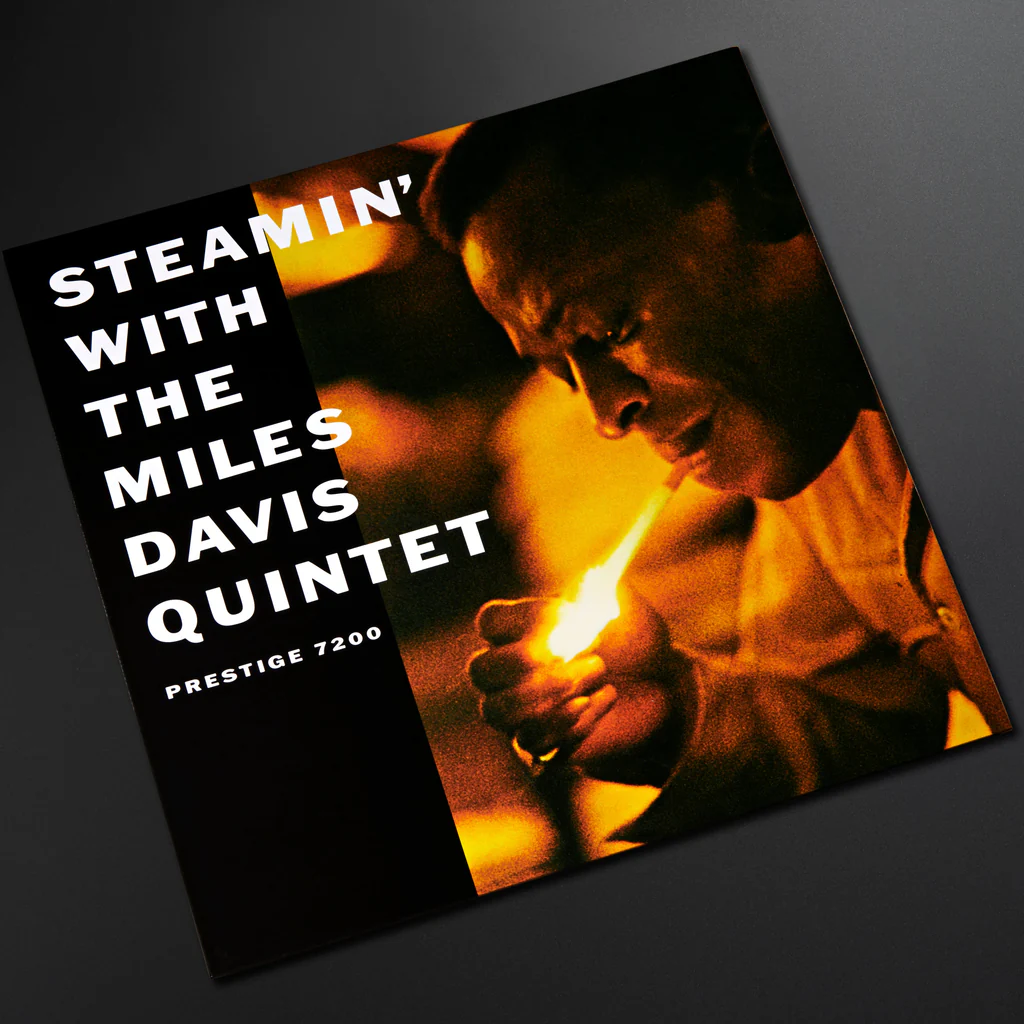
The Miles Davis Quintet — Steamin’ With The Miles Davis Quintet ERC126
J. Sikora could easily follow the natural, unforced flow of these iconic sessions and step aside to reveal the narrative fluidity and deep interconnectedness of the players at each moment.
Metallic percussion and brass instruments are among the most demanding to reproduce, as they require many variables to be precisely aligned to convey their vibrancy and timbre. Aspire reproduced Miles’s muted trumpet not only convincingly but, more importantly, with the necessary metallic grip. Throughout, Miles’s and Coltrane’s brasses were formed with above-average physical presence.
When timing and pitch are inconsistent, or too much airborne feedback is captured by the turntable and tonearm, Steamin’ with the Miles starts to feel constructed, holding back the dense narrative and preventing Miles’s legendary restraint and intention from radiating.
Aspire’s replay established a familiar, grounded, and lively playback framework for the ensemble, allowing Miles Davis and John Coltrane’s contrasting, restless energy to move seamlessly and dynamically along Red Garland’s piano phrasing, while remaining anchored by the upbeat provided by Paul Chambers and Philly Joe Jones in the rhythm section.
If the turntable is not properly set or designed, the music starts to drift with subtle push and pull, depriving it of its sense of movement and creating artificial tension and, at forte, forced playback.
Aspire is free of such negative attributes, avoiding the mere probing effect – something even some much pricier turntables cannot escape – and instead provides a dynamic and harmonious buffer, ready to expand with the music’s dramatic swings with clarity, steady tempo and timing, and overall balance at all times. It never demands attention but steadily earns the listener’s affection with its qualities.
John Coltrane — Soultrane in True Mono ERC125
Coltrane always touches my softer side, whether with his early or later avant-garde albums. There is a particular frankness etched into every recording, and Soultrane is no exception. It still stands the test of time after all these years and poses a serious challenge to any turntable.
Even some much more expensive turntables suffer from unresolved mechanical disadvantages that can stretch timing and pitch, prevent natural phrasing, and hinder the full development of dynamic contrasts, from subtle nuances to dramatic disruptions.

The J.Sikora Aspire stands out for its natural, unforced flow, setting a standard of its own, easily channeling Trane’s blues-based structures, funnelling subtle yet raw fundamentals rather than delving into outright sonic transformation.
Throughout all the musical material, the J.Sikora Aspire demonstrated a clear sense of balance, resisting excess, focusing on clarity, and allowing every performer to play an equal role, with each note freely carrying its weight, not demanding attention, but occupying its designated place in time and space.
The Aspire’s rendition of Soultrane never felt oversized, maintaining a unique voice that resists the ordinary, clearly evident with Paul Chambers and Art Taylor’s understated precision as its anchor.
The band comes alive with forward motion – the tempo never rushes, achieving a demanding and much-needed balance of ardent discipline and free-form expression. Soultrane emerges refined, with far greater expressiveness than expected, offering warmth, immediacy, unvarnished rawness, and preserved density, always ready to reveal musical intentions, which is not as easy as it may seem.
The J. Sikora Aspire does not seek to overwhelm; deeper currents lie beneath the surface, inviting attentive listening and rewarding the listener with refinement, nuance, and depth. Music settles instantly and remains, quietly but distinctly, setting the pace where and when needed.
Dvořák Symphony No.5 In E Minor, Op. 95, Played by the Vienna Philharmonic Orchestra and Conducted by István Kertész — ERC121
Interestingly, Dvořák’s Symphony No. 5 in E minor, Op. 95, shares the same leitmotif as J. Sikora Aspire – a balanced act of Central European warmth with a strong sense of structure.

Under the baton of Istvan Kertesz, the orchestra plays with vigor, and Aspire shapes the orchestral momentum with surprising authority. The varied pace of the Vienna Philharmonic Orchestra remains distinctive without losing its familiar tonal identity, allowing the thematic material to breathe continuously, regardless of dynamic shifts or tempo changes.
If the turntable is not set up correctly or depicted accurately, the strings lose their grounded physicality and resonant magnificence. Aspire again surprised with its unique tactile quality, allowing for a distinctive interpretation that balances precision and natural musicality. Especially in the middle movements, it revealed its intrinsic quality for timbre, tone, and phrasing, along with expanding Largo’s absence of nostalgic and overly slow movement – something that some turntables based on mass damping or even classical suspension fail to achieve.
Aspire never deprives the anchoring of the orchestra, letting it remain human and forthright, avoiding the overextension of the iconic melodic line.
The J. Sikora turntable further demonstrated its vitality in the Scherzo, with standout rhythmic refinement, free from analytical or mechanical imprint, yet offering precisely tuned, refined accuracy. This gave the music the necessary organic pulse, allowing the luminous atmosphere to emerge.
The final symphony movement confirmed once again the discreet confidence of the Aspire. Rather than relying on spectacle, orchestral momentum builds naturally, never pushing to extravagance. Brass and timpani are present, radiant with above-expectation natural timbre, and without cutting off decays and delays or letting echoes fade too early, permitting the structure of the narrative to remain clear, focused, and dynamic.
At its price point, among the most striking positive facets of Aspire is the absence of sonic hyperbole – an unpretentiousness and musically grounded atmosphere, with a record player reproduction quality that tracks the score, conductor, and players, resulting in an interpretation that resonates long after the final notes fades.
THE CONCLUSION
Poland’s rise in high-end audio is neither accidental nor exorbitant. As with the professional audio sector, it results from sustained vision, profound engineering, and a deep understanding of products and marketing.
J.Sikora products have earned a worldwide following and respect, establishing the brand’s reputation among long-standing names in the high-end audio industry by continually moving forward, adhering to core principles, and maintaining quiet confidence.
J. Sikora quickly rose beyond regional recognition and, in an impressively short time, conquered the hearts of analog connoisseurs and aficionados around the world.
Of course, this was not by chance. The remarkable work of the J. Sikora team, guided by the deep and clear vision of father and son and supported by the constant energy of CEO Robert Sikora – a tireless global traveler representing the brand at nearly every event, both domestically and abroad – made this success possible.
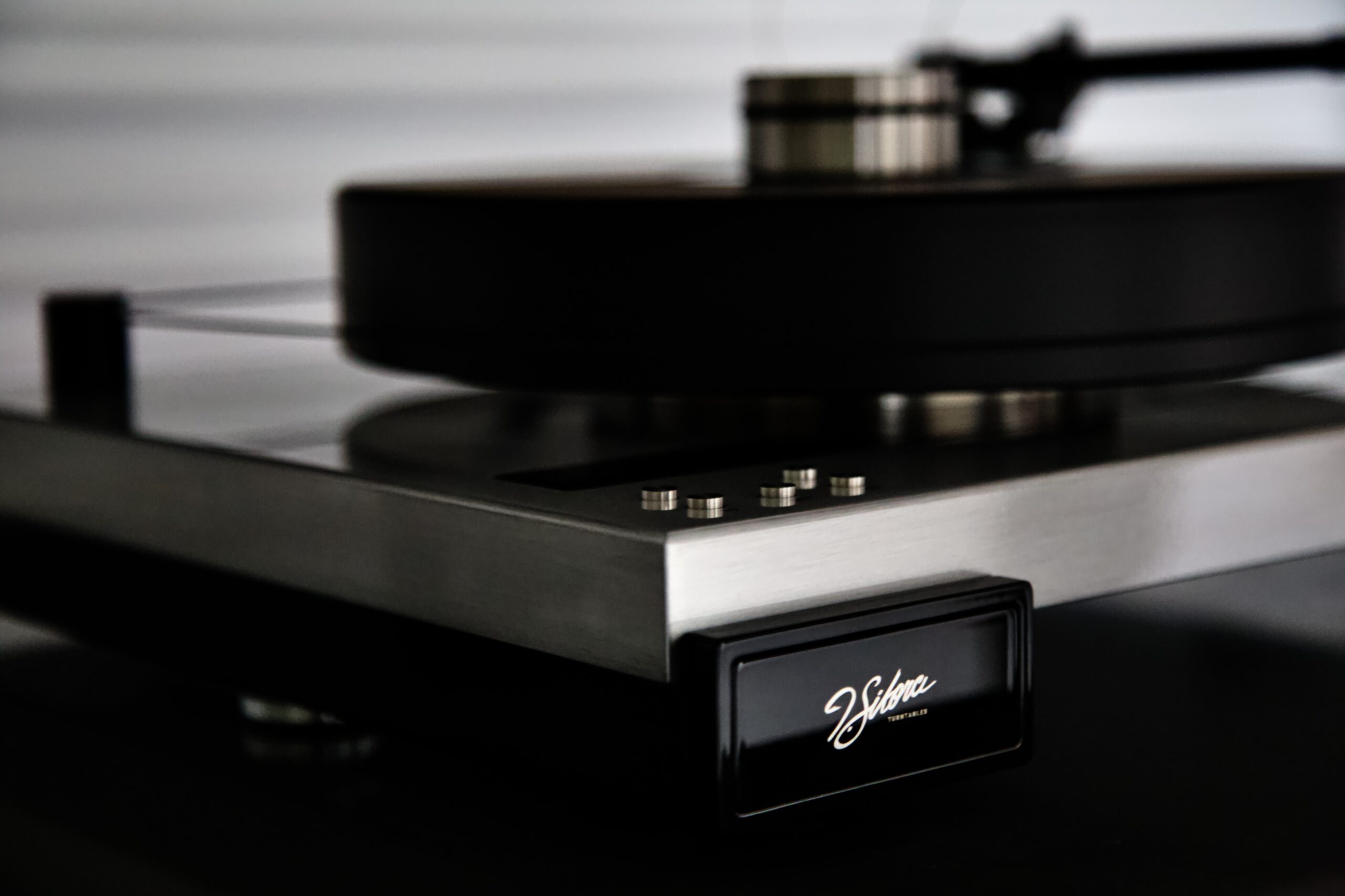
The Aspire turntable is an entry point into the J.Sikora analog realm, but there is nothing entry-level about it. It reflects the manufacturer’s clear vision, encapsulating years of experience and incorporating technologies and solutions from the upper turntable models, expertly fused into a stylish, compact, and vibrant record player.
I have already reviewed the KV9 MAX Zirconium tonearm and the Standard Max Black turntable and liked both very much. The Aspire continues the path set by these higher-end products, offering uncompromised and unrestrained music reproduction. It delivers the same ability to extract musical information from the grooves and present it with J.Sikora’s distinctive directness and emotional engagement, always keeping the focus exactly where it belongs – at the very heart of the music – with a refined sonic balance that avoids any extremes.
With each record played, it shows that the turntable was created by music lovers for music lovers.
Aspire does not push hype momentum but provides consistent, fluid tracking of music regardless of genre. This is the key point of any well-balanced record player: the primary focus should always be accurate music reproduction supported by technology, not the other way around, as is the case with many products on the market.
With analog, things are both simple and complex. Striking a balance between making things as simple as possible and using various technological concepts to avoid friction at any point is crucial and cannot be ignored, bypassed, or achieved through the implementation of underdeveloped technical features.
There is no easy way to design a turntable with proper sound quality, such as maintaining perfect pitch, ensuring effective geometry, and managing unwanted micro-vibrations and resonances, regardless of the type of suspension used.
In the analog domain, many unwanted factors must be addressed, and combining everything into a functional record player that not only produces sound but also extracts and reproduces music is not an easy task.
It’s all about musical authenticity, and craftsmanship thrives there. In the analog micro and macro universe, everything revolves intimately around timing and synchronicity, supported by unreserved frequency response and minimized or eliminated resonances, vibrations, and distortions.
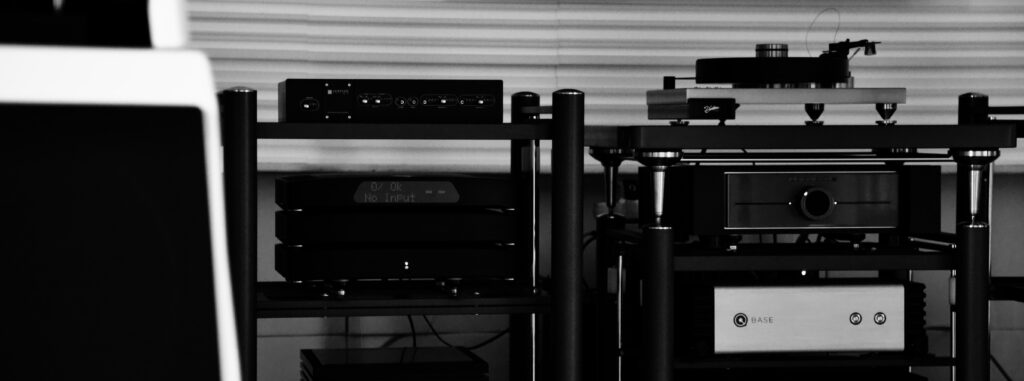
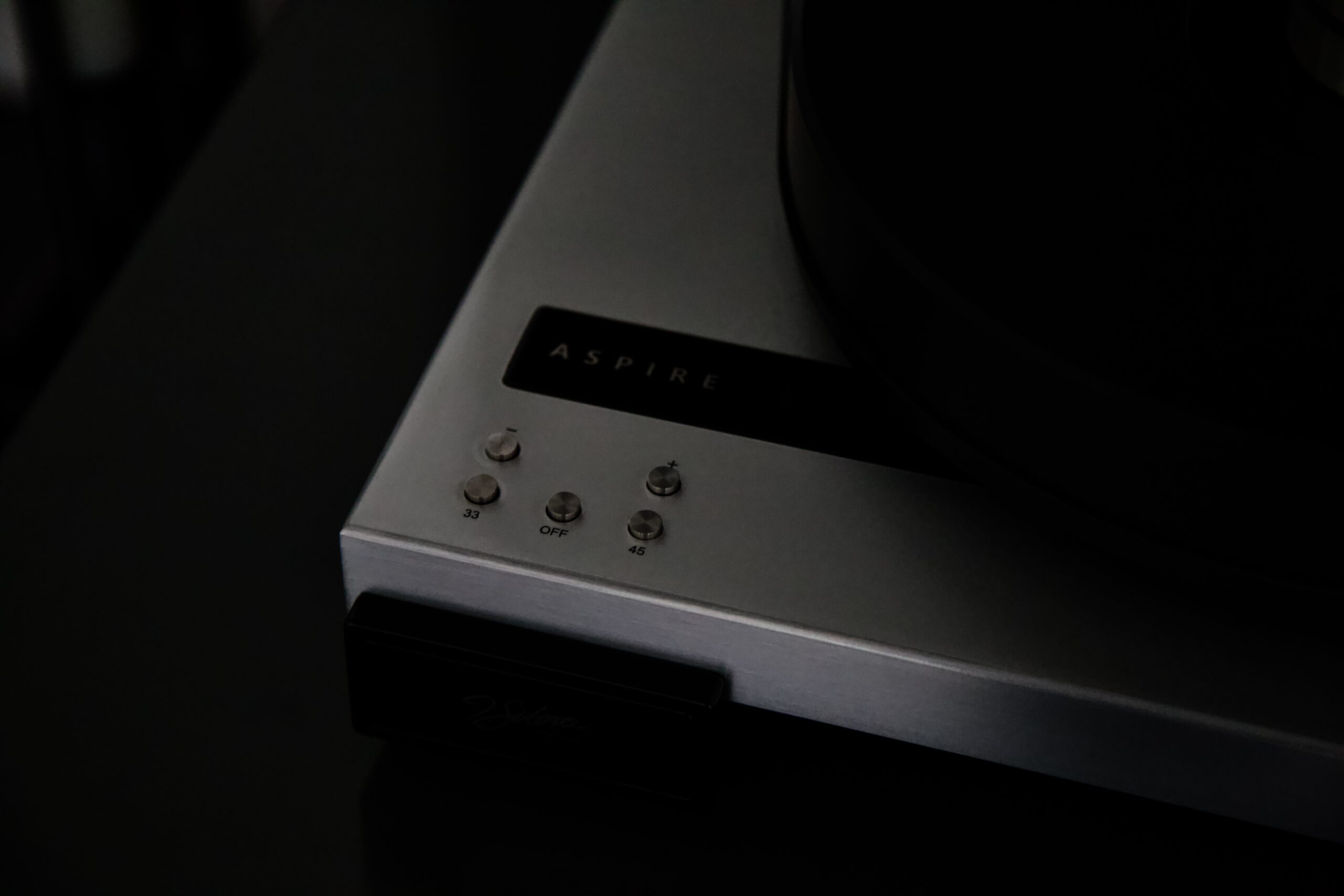
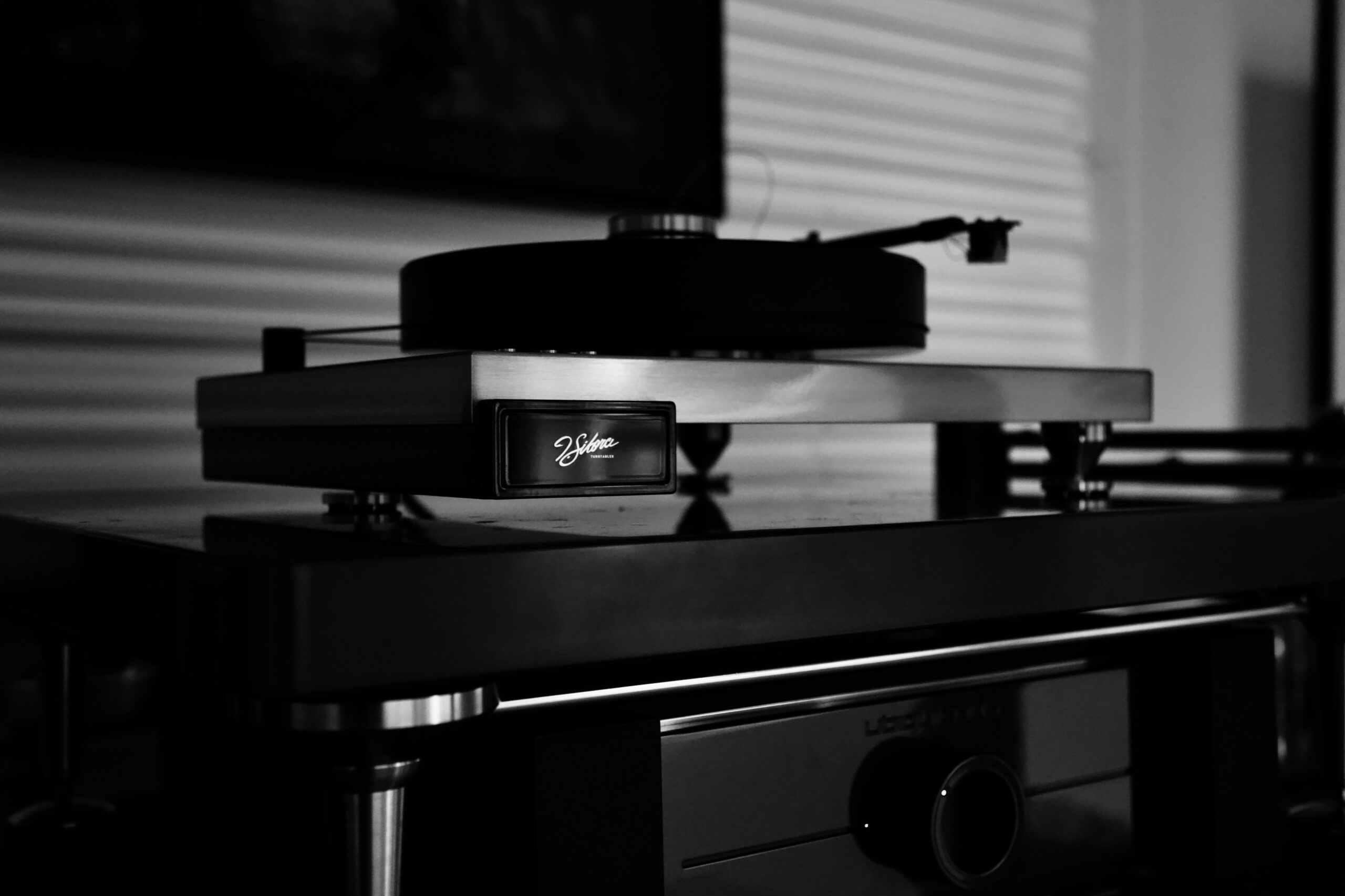
The J. Sikora Lasted Entry Point turntable exemplifies doing things right in many ways. Aspire, an elegantly designed modern record player, is made to deliver music instantly without unnecessary or complicated processes. It is as plug- and-play as possible; setting it up does not require an analog expert (though one is always welcome). By following the instructions in the manual, anyone can easily set up both the Aspire and the matching tonearm and cartridge.
It is great to see the brand doing so well, and even more exciting to experience firsthand the years of hard work that have gone into creating such an important analog playback device. Aspire is both visually striking and high-performing. The future-retro design gives it a unique aura that fits comfortably in either a modern or classical environment. Most importantly, it was envisioned, designed, and manufactured to perform its duties immediately and continuously for years to come.

It is not easy to make the complicated simple, but it is easy to make simple things complicated. The J.Sikora Aspire achieves a mature balance – a confluence of multiple refined technical approaches – and a distinctive je ne sais quoi: a “nobility of sound” through technical precision, and material fidelity.
For what it represents in design, I am more than happy to award the J.Sikora Aspire turntable with the 2026 Mono and Stereo Best Buy Product Award. •

PRICE
Aspire with Aspire 9″ tonearm (including switching power supply): 7 500 EUR
Aspire with Aspire 9″ tonearm (including linear power supply): 8 300 EUR
Aspire with KV9 tonearm (including linear power supply): 9 800 EUR
TECHNICAL SPECIFICATIONS
TURNTABLE
Total weight [kg]: 21
Platter weight [kg]: 4
Platter material: Delrin®
Material: aluminium, inox, cast iron
Bearing type: ceramic ball – inverted
Motor [pcs]: 1 DC
Belt: rubber
Rotation speed [rpm]: 33; 45
No. of tonearms: 1
Dimensions [mm]: 430 x 350 x 180
Available colours: silver, black, white
Standard Max Supreme
TONEARM
Bearing type: unipivot
Material: Carbon Fiber, aluminium, brass, stainless steel
Oil damping: yes
Tube: conical (Carbon Fiber)
VTA adjustment: yes
Azimuth: yes
Mass: 160 g
Effective lenght: 228,6 mm
Mounting distance: 212mm
Effective mass: 11,2 g
Wiring: Copper
CONTACT
J.Sikora
ul.Poligonowa 41
20-817 Lublin
Poland
Tel: +48 501 236 108
E-mail: info@jsikora.pl
Web: www.jsikora.pl